Sushi (寿司) – Japanese food makes the world’s No. 1 brand
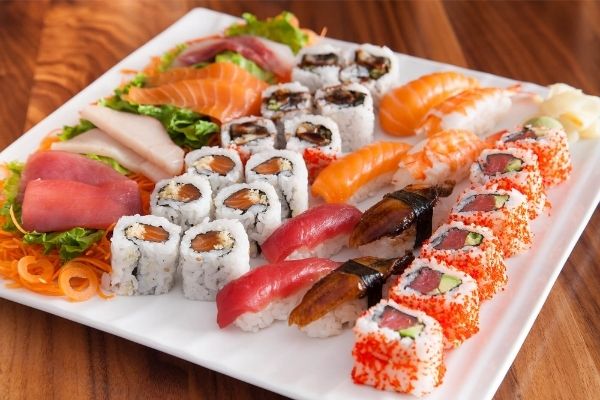
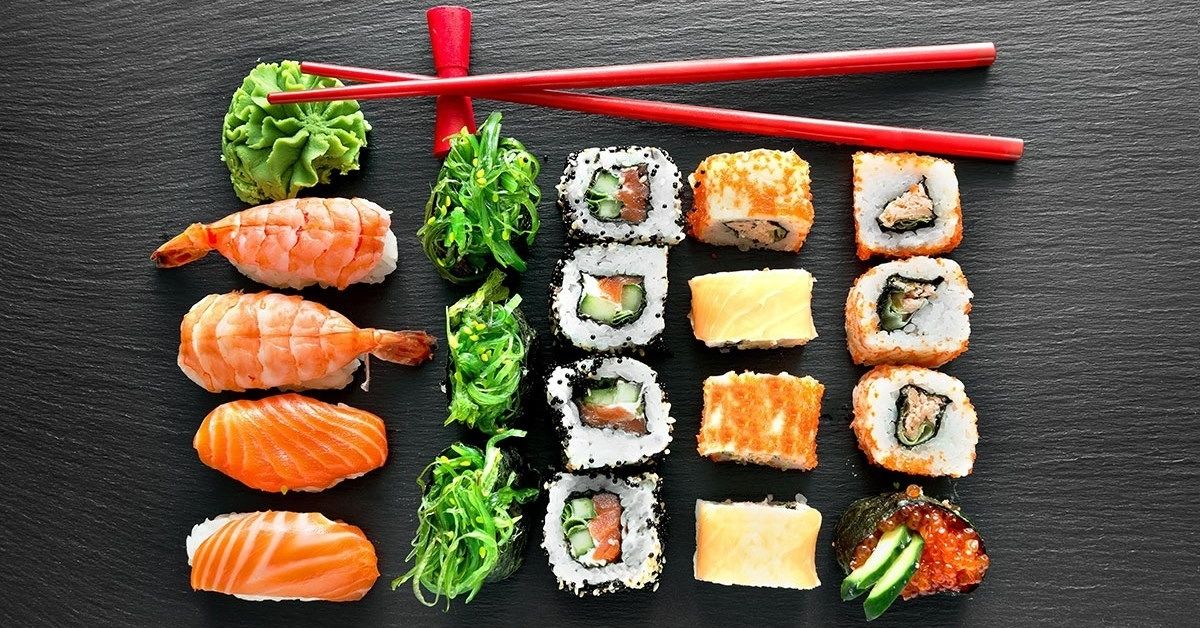
Making pride in the world’s unique culinary culture, Japanese people are proud to mention sushi. Sushi is a Japanese dish made from rice mixed with vinegar and other ingredients. Since ancient times, Japanese people have known to incubate fish, shrimp and seafood in rice grab to keep the taste delicious. During the preparation, the rice is mixed with a little vinegar called Sumeshi (酢飯). Therefore, fish are processed with rice is processed into sushi. There are many different types of sushi such as Nigirizushi, Chirashizushi, Makimono, Gunkansushi, Temaki … Recently, people have been familiar with the concept of “ conveyor sushi ”. It is a form of sushi on small plates running on a specialized conveyor that allows you to choose the dish you want to eat. That form is popular even big cities in the world like London and New York.
Sashimi (刺身)
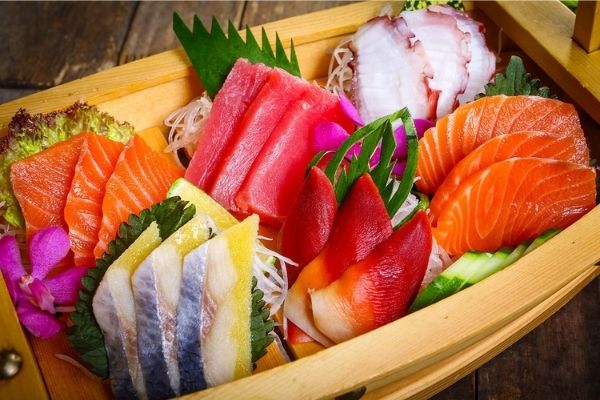
Like sushi, the ranking of 20 Japanese dishes will be missing without mentioning Sashimi. Referring to Japan is mentioning Sashimi. Sashimi is an appetizer in a solemn meal in Japan. In cuisine, Sashimi is considered a Japanese culture that promotes sophistication. Sashimi is the common name for dishes with the main ingredient of fresh seafood. The freshness of ingredients is especially important for sashimi. Sashimi eats combined with mustard, perilla leaves, white radish, … The dish contains high nutritional ingredients that are good for health.
Tempura (天ぷら)
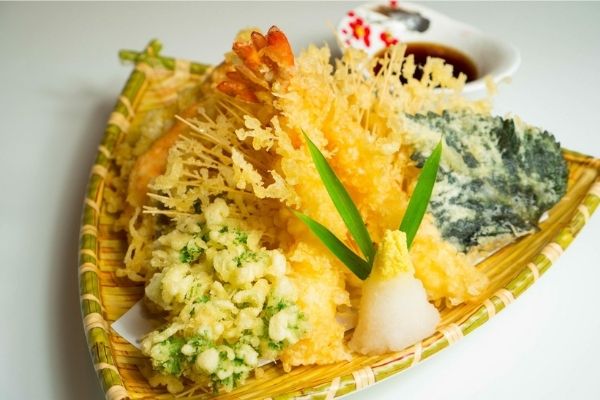
Tempura is a Japanese dish of seafood, vegetables, forest vegetables, … flour and fried in oil. Its main ingredients include shrimp, squid, eggplant, pumpkin, etc. … The dish is crispy and delicious. To enjoy the delicate taste of Tempura, they are often served with fine salt or sauce with a bit of sweetness combined with Daishi broth. Radish or ginger is considered a side food that brings a delicious feeling, hard to refuse.
Miso soup (味噌汁)
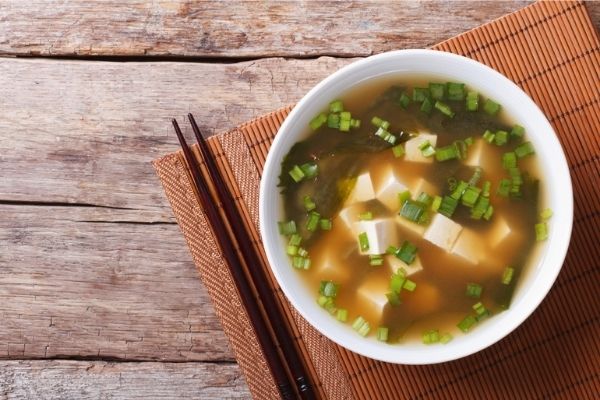
One of the important factors that make up an indispensable Japanese -style meal is miso soup. The taste of Miso soup can be said to be the symbol of Japanese food, which is the taste of the homeland that anyone who goes away will remember. Miso soup is a combination of Miso and Dashi soup. There are also other ingredients such as tofu, seaweed … added to create a variety of miso. Every Japanese family has its own miso soup, and when it comes to “miso soup”, people prefer to call it with a proud name “.
Onigiri rice ball (おにぎり)
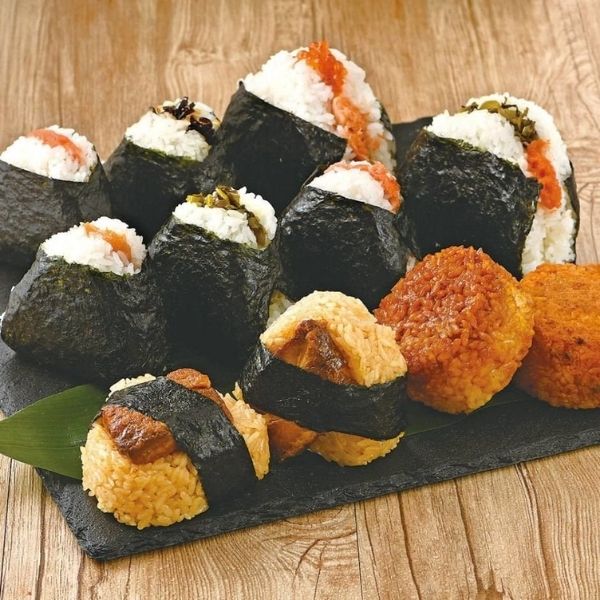
The rice ball has been attached to the lives of Japanese people since ancient times. The simple dish that anyone can do, a handful of rice is wrapped in a layer of seaweed, the inner fillings are traditional ingredients such as salmon meat, umeboshi, katsuobushi, … or modern ingredients such as mayonaise shrimp, mayonaise tuna, avocado … rice grasp is grasped into different types of form but mainly triangular shapes. Although the way to make the same ingredients is simple, the food still exudes the deliciousness of rice, so despite modern life, Onigiri is still a fast food that is extremely popular with Japanese people.
Udon noodles (うどん)
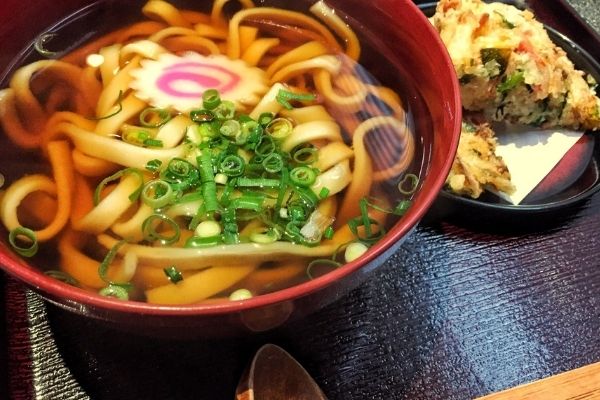
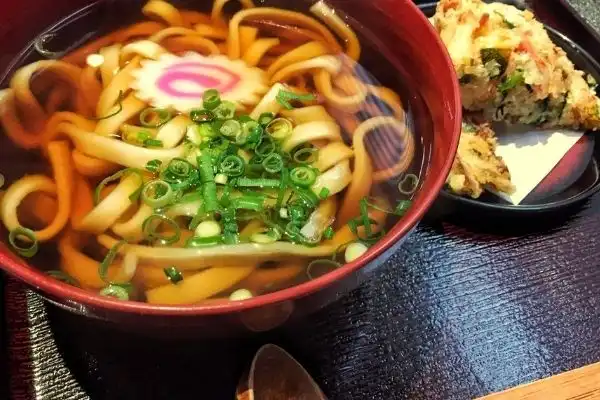
Japanese udon noodles have pure, round, shiny white noodles, made by adding salt water to flour, cut the dough into strips, and finally boil them in boiling water. It is considered an easy -to -digest food. The noodles are thicker and more chewy than buckwheat noodles, there are many ways of processing depending on the region. Especially the difference between Kansai Udon and Kanto Udon Udon. However, no matter where, eating noodles and creating a sound has become a unique Japanese noodle culture.
Soba noodles (そば)
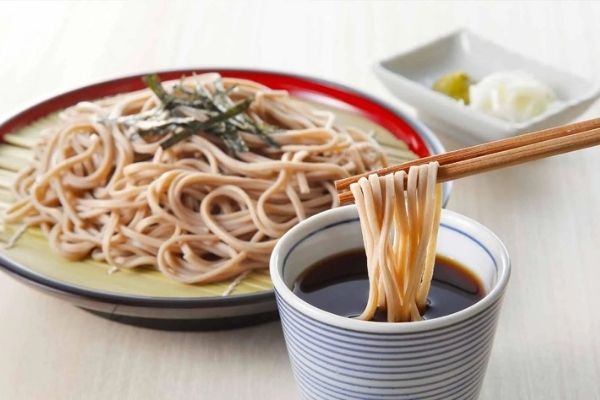
Soba appeared on the Japanese dining table regardless of the season, an indispensable dish when mentioning Japanese food. In recent years, it has attracted attention by the effect of improving health, dieting and also helping to recover after fatigue. How to make Soba noodles is extremely simple. Add water or flour to buckwheat flour, thinly and cut into long bars with a width of 1 cm to 2 cm, when the noodles are cooked through boiling water and dip in cold soup or fill the soup hot on the noodles. Soup used with Soba is made from kelp, dried tuna scales and soy sauce, mirin wine and rice tuna very attractive.
Ramen noodles (ラメン)
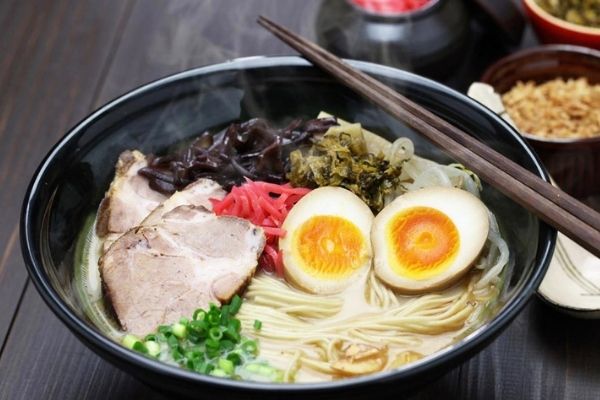
Like Udon and Soba, Ramen has not originated from Japan but it has been a national dish in Japan for a long time. The Japanese have succeeded in deeply digging the concept of ramen and spreading its presence not only in Japan but also in the world. Ramen stores are everywhere in the city and town in Japan. There are three typical ramens: tonkotsu flavor (pig bone), shio flavor (salt) and miso flavor (containing vegetables and meat).
Curry rice (カレー)
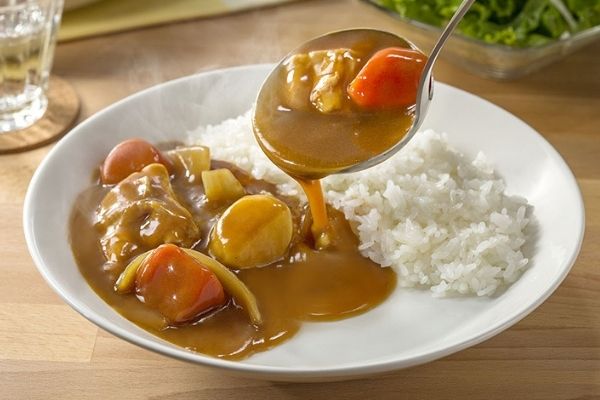
As the name implies, curry rice is a dish that curry is served with white rice. Cari rice is not derived from Japan, it comes from India but is modified by the Japanese to suit the taste of this country. Curry rice is divided into 2 separate parts: rice and fever. The sauce is made from meat and many nutritious vegetables: potatoes, carrots, onions, … The taste of sweet, less spicy, dense, smooth, smooth, worthy Japanese dish.
Raw egg mixing rice (卵かけご飯)
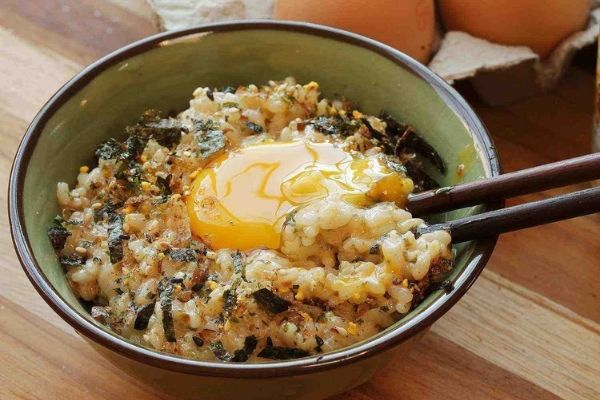
Rice mixed with raw eggs is an irresistible specialty from the culture of the beautiful Japanese country. The method is extremely simple because its ingredients only include: a bowl of hot rice, soy sauce and a raw chicken egg. Beat the egg on the rice bowl, chan a little soy sauce and mix well, you have a delicious Japanese breakfast. Today, raw egg mixed rice is even more attractive because it is eaten in combination with other ingredients such as tuna, fermented soybeans, kimchi, …
Donburi (丼物)
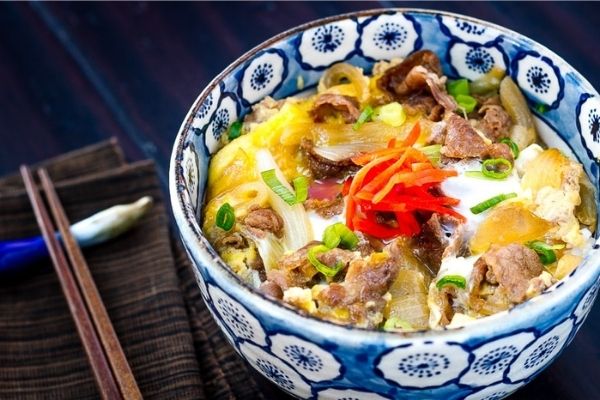
Donburi is one of the Japanese cooking styles, in which rice and side dishes are served in a large bowl of rice. Traditional Donburi dishes cannot fail to mention Japan include:
- Gyudon: Rice beef onion.
- Tendon: Tempura shrimp rice and vegetables.
- UNADON: Eating with grilled eel.
- Tamagodon: Eating with sweet donburi sauce.
- Oyakodon: Eating with steamed chicken, eggs and onions.
- Katson: fried pork cutleading with bread crust (tonkatsu), onions and eggs to eat with rice.
- Tekkadon: Fresh sliced tuna rice.
- Hokkadon: Rice with fresh sliced salmon.
- Negitorodon: Fatty tuna cut into small pieces and scallions are eaten with rice.
Natto (なっと)
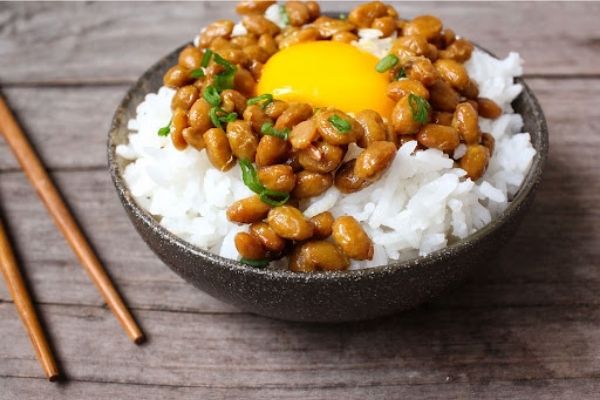
One of the strange traditional Japanese dishes cannot help but mention the Natto. Natto is one of the fermented foods from soybeans using “Bacillus subtilis” bacteria. The viscosity appearance along with the typical flavor makes Natto not the food that everyone loves. However, if you are familiar with this strange taste, you will definitely easily become a loyal follower of Natto. Natto is available in any supermarket. You can also eat natto with rice. It is said that the best way to eat natto is to mix the beans so that it becomes more sticky and the dish will be better.
Umeboshi (梅干し)
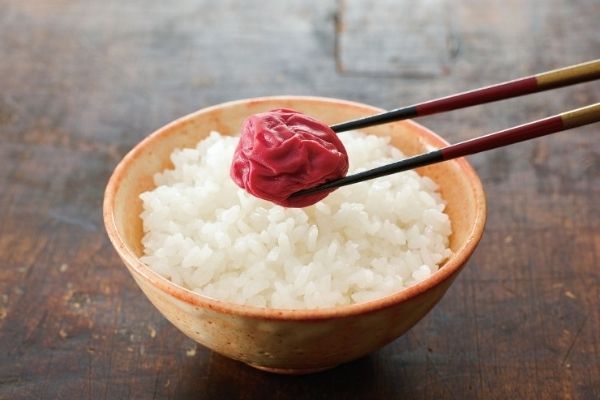
Umeboshi is a very popular pickled pickle in Japanese cuisine, an indispensable ingredient of rice balls, as a side dish of rice. Umeboshi apricots are soft, sour and salty. Umeboshi has a red and yellow color. The red color is due to the color of red perilla and yellow is the natural color of the fruit. Bento boxes include white rice to eat with an umeboshi fruit in the middle that is called “Hinomaru no bento”, which means “lunch box of sunrise” because it looks like a Japanese flag.
Takuwan (沢庵)
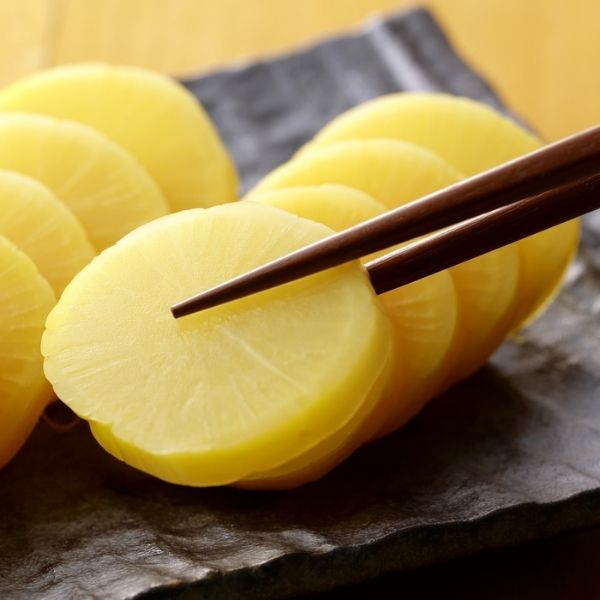
Takuwan, also known as salt radish, is made from radish and is exposed to the sun until dry. It is a white radish fermented dish with salt, invented by a Japanese teacher. At that time, Takuwan was considered a high -end side dish. Different from the common salted salted cabbage, yellow radish has a distinct sour, sweet and sour taste. Sour, salty, sweet and harmonious, when eaten with crispy crunchy taste “delicious ears” is what makes the attraction of this idyllic food.
Sukiyaki (すき焼き)
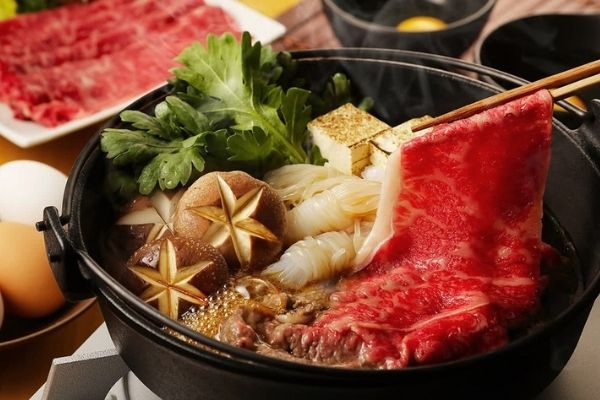
Sukiyaki is a hotpot, sliced beef boiled in sauce with tofu, scallions, Shirataki, etc. and dip in egg juice. The way of processing between Eastern Japan and Western Japan is different. Sukiyaki in eastern Japan is made by boiling beef in broth called “Warishita”, a mixture of spices such as soy sauce, sugar, mirin and sake. On the other hand, Sukiyaki in Western Japan is seasoned by grilling beef without using Warishita, sprinkle sugar on top and add direct soy sauce.
Shabu-Shabu hotpot (しゃぶしゃぶ しゃぶしゃぶ)
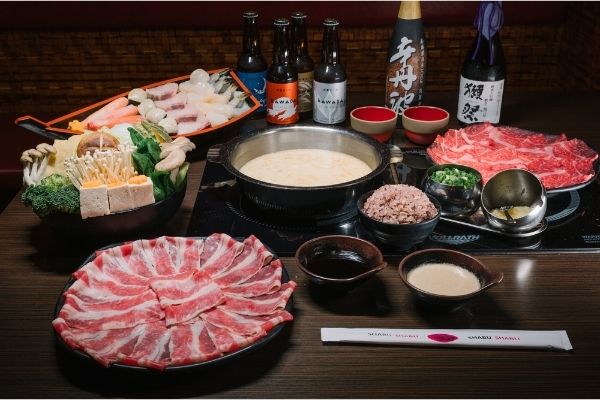
Shabu-Shabu is considered a national hotpot in Japan. Unlike the usual hotpot dishes, Shabu Shabu’s main ingredients are beef, so you just need to dip the sliced beef through the hotpot for about 10 seconds to be able to enjoy the piece of meat immediately. Shabu hotpot is cooked with seaweed, cabbage, tofu, mushrooms … to bring a light taste. On the cold winter day, it will be wonderful when the whole family gathered around the hot pot, enjoying the delicious taste of beef, while sharing sad and happy stories.
Karage fried food (唐揚げ 唐揚げ)
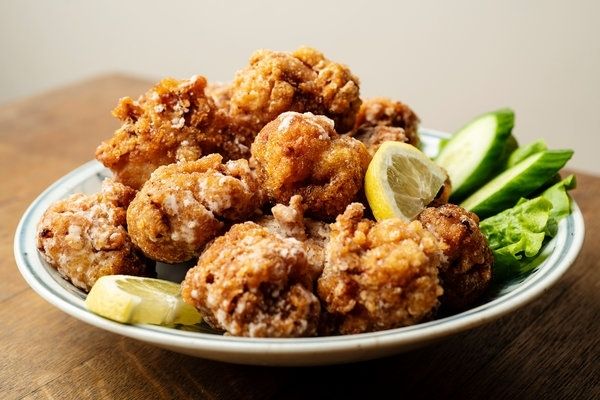
Fried foods (Karage) are just a layer of flour or potato starch sprinkled on the ingredients, fried in hot oil. Often when it comes to fried food, people will think of greasy and tedious foods, but Japanese fried food is very crispy and not greasy. There are many types of fried foods: fried chicken, fried fish, fried squid, fried cartilage, small fried shrimp, … In which the most familiar dish is still fried chicken.
Yakiniku grilled meat (焼肉 焼肉)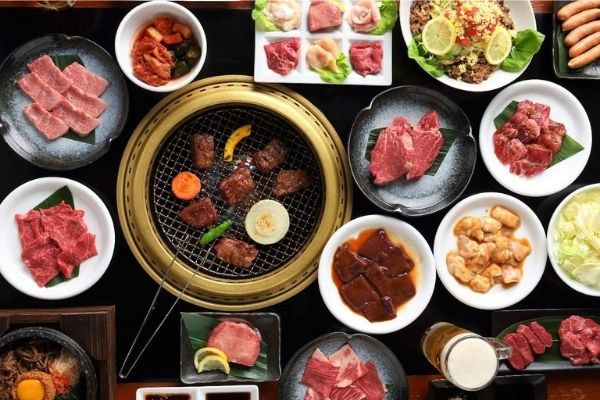
Yakiniku in the literal sense is barbecue (niku is meat, yaki is grilled). The meat used to grill is specially selected by restaurants so it has a fragrant, delicious, sweet, rich flavor. The barbecue technique at the table is only available in Japan, which will definitely make you unable to forget the taste of this barbecue. The rich, diverse vegetables are served with both appetite and nutritional balance.