1. Sushi
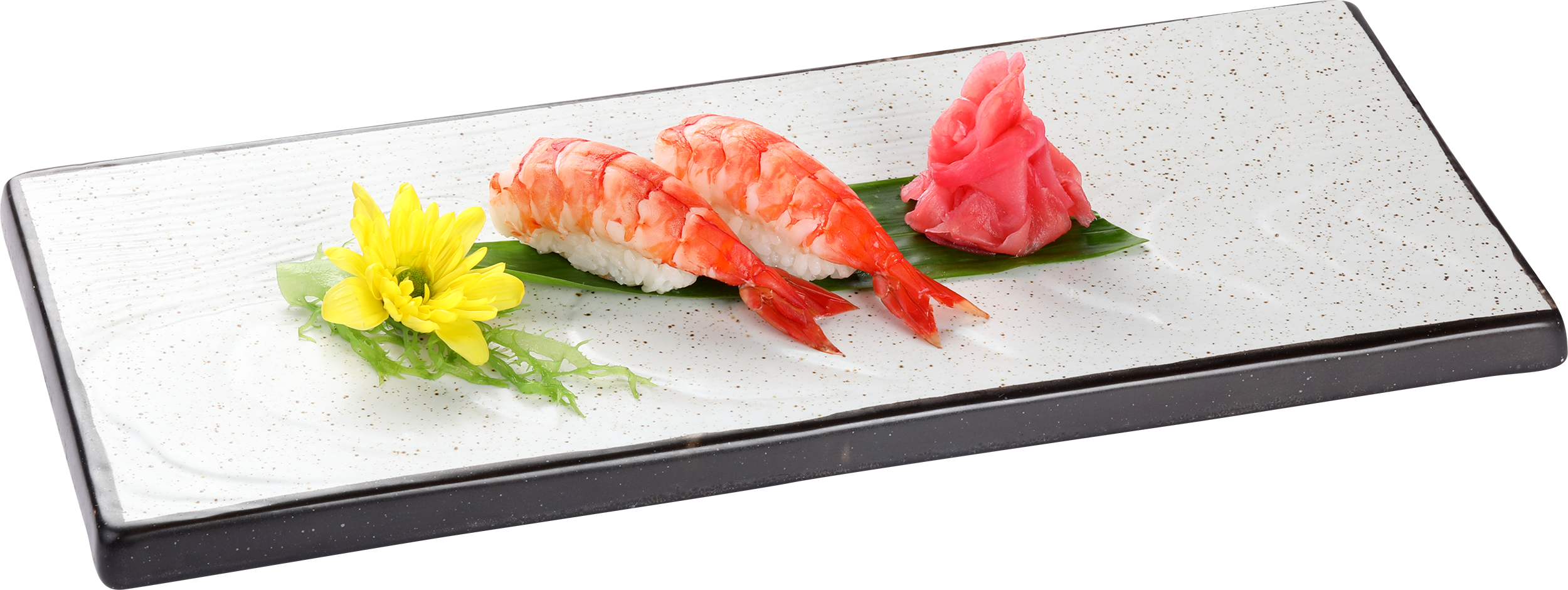
Sushi is usually cut, used immediately after being served, and served with soy sauce, wasabi and sour ginger. When used should put the whole piece in the mouth to feel the full flavor in each circle. The strange taste of rice mixed rice, the greasy and cool taste of the fish and the spicy taste of Wasabi rushed to the nose. The most common ingredient is tuna, squid and shrimp used with cucumber, salt radish and sweet eggs.
2. Sashimi
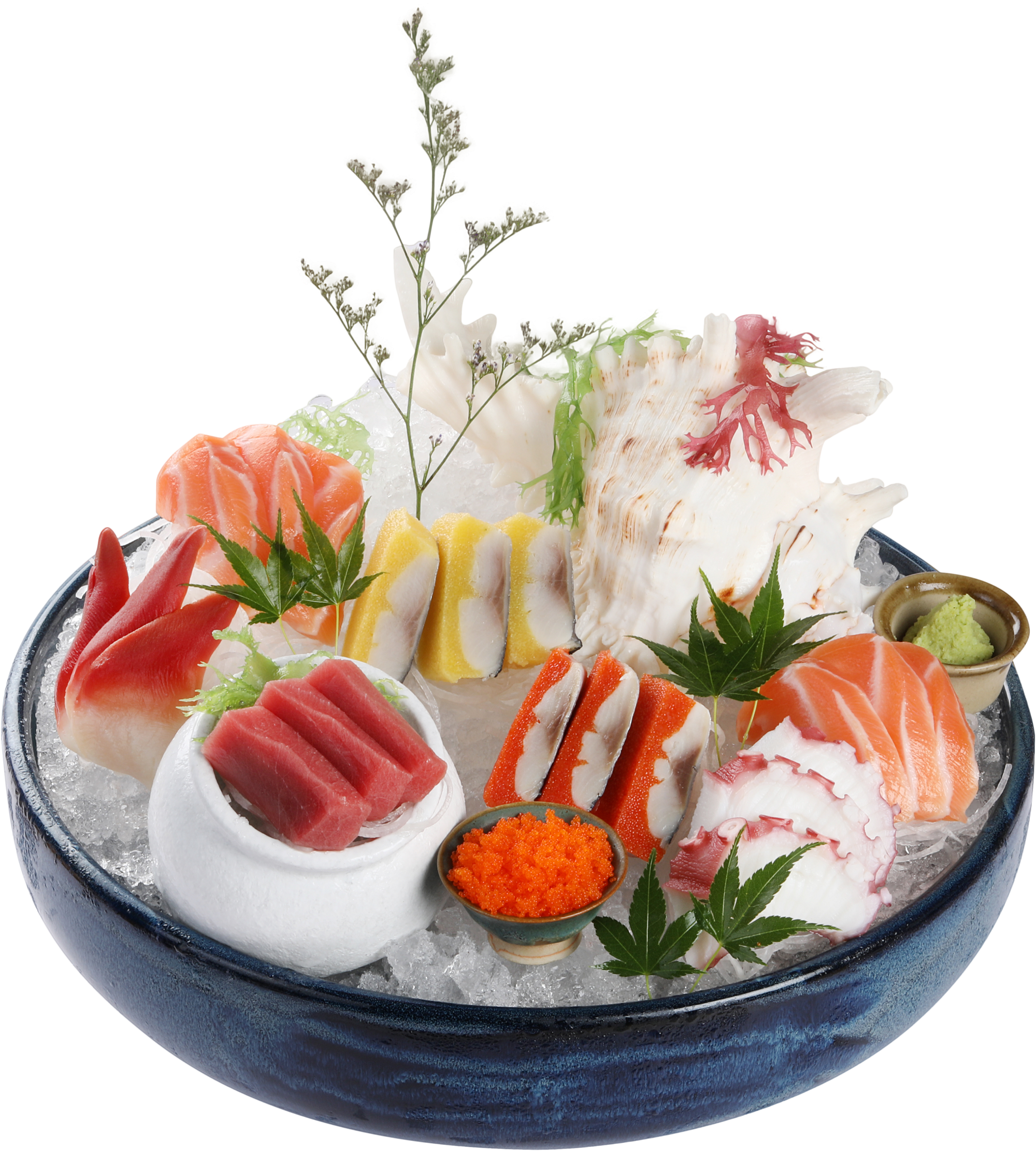
Sashimi is a traditional Japanese dish whose main ingredient is fresh seafood. Seafood used to make sashimi must have “Sashimi standard”, caught with separate tools, then processed immediately according to the special process to ensure the freshness of each sashimi piece. Some types of seafood that Japanese often use as sashimi are: salmon, tuna, mackerel, basa, puffer fish, squid, octopus, sea shrimp. In addition, sashimi is also made from meat or vegetables …
3. Shabu-Shabu
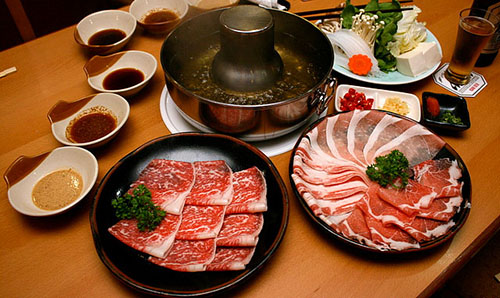
Shabu-Shabu is also a hotpot but the main material is beef. The slices of fresh, quality beef are sliced quite skillfully, diners dip these slices of meat in hot broth and eat when they are slightly re -ensuring the delicious taste of the dish. Shabu-Shabu hotpot has a sweet, clear water and is often with cabbage, seaweed, shiitake mushroom and some healthy, good health ingredients, good for other health
4. Sukiyaki
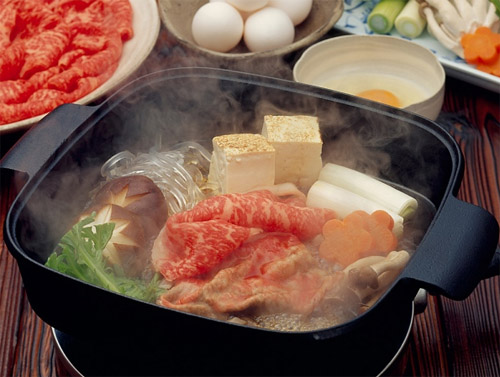
Sukiyaki is a “Japanese dominance” dish with the main ingredient of Rib Eye beef, and a variety of natural mushrooms. When mushrooms and other ingredients in the pot begins to ripen, dipping beef is sliced in the “Sukiyaki” style to sufficient maturity depending on the taste of each person. This dish is dipped with egg sauce or sauce made from Kikkoman soy sauce and enjoy immediately.
5. Udon noodles, Ramen and Soba
Mi Udon Nhat Ban
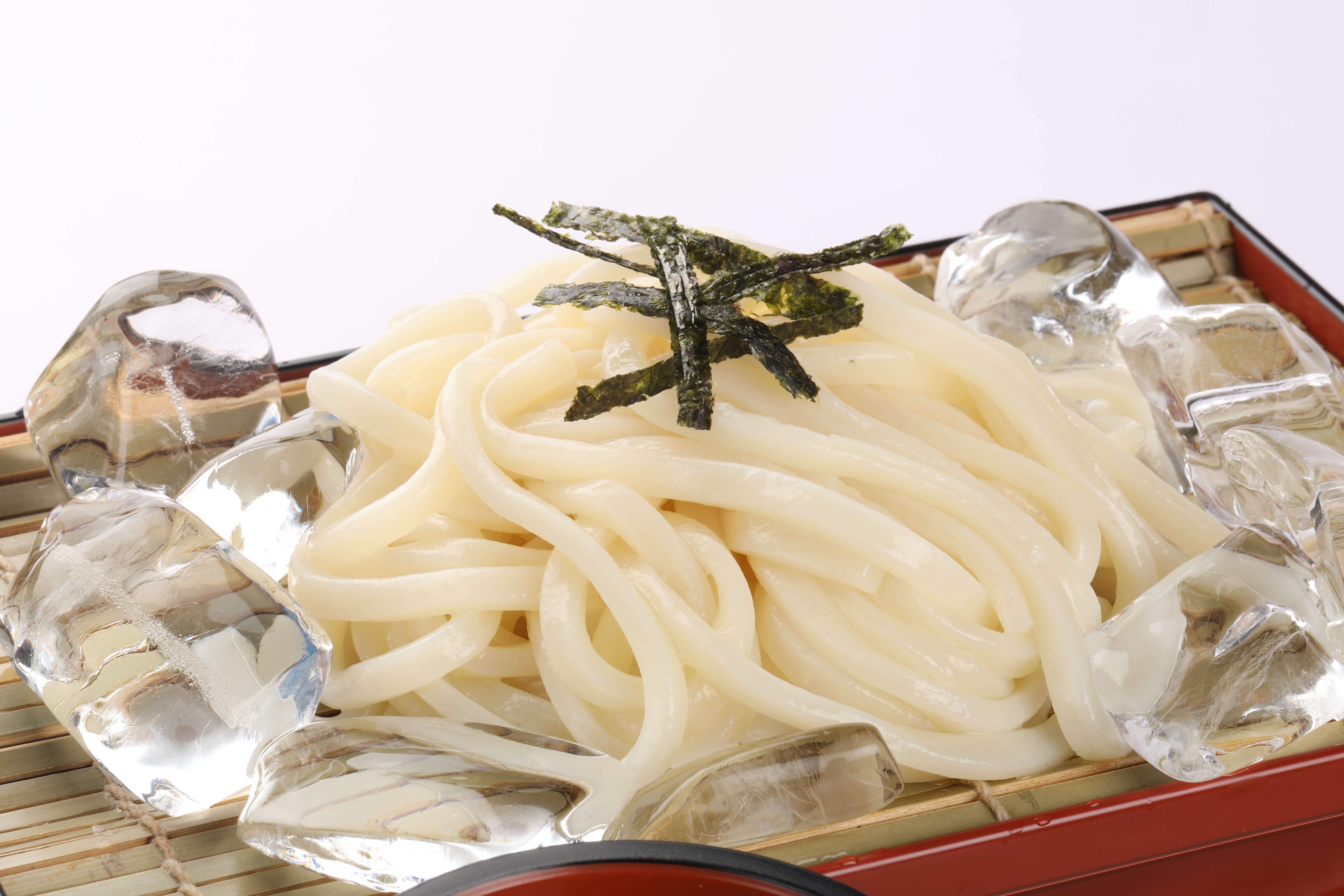
Udon is made from flour, salt and water, can be eaten hot or cold but eat hot is still more attractive. Udon noodles are white, large and chewy. The broth has a strange and characteristic taste – lightweight and sweet
Ramen noodles
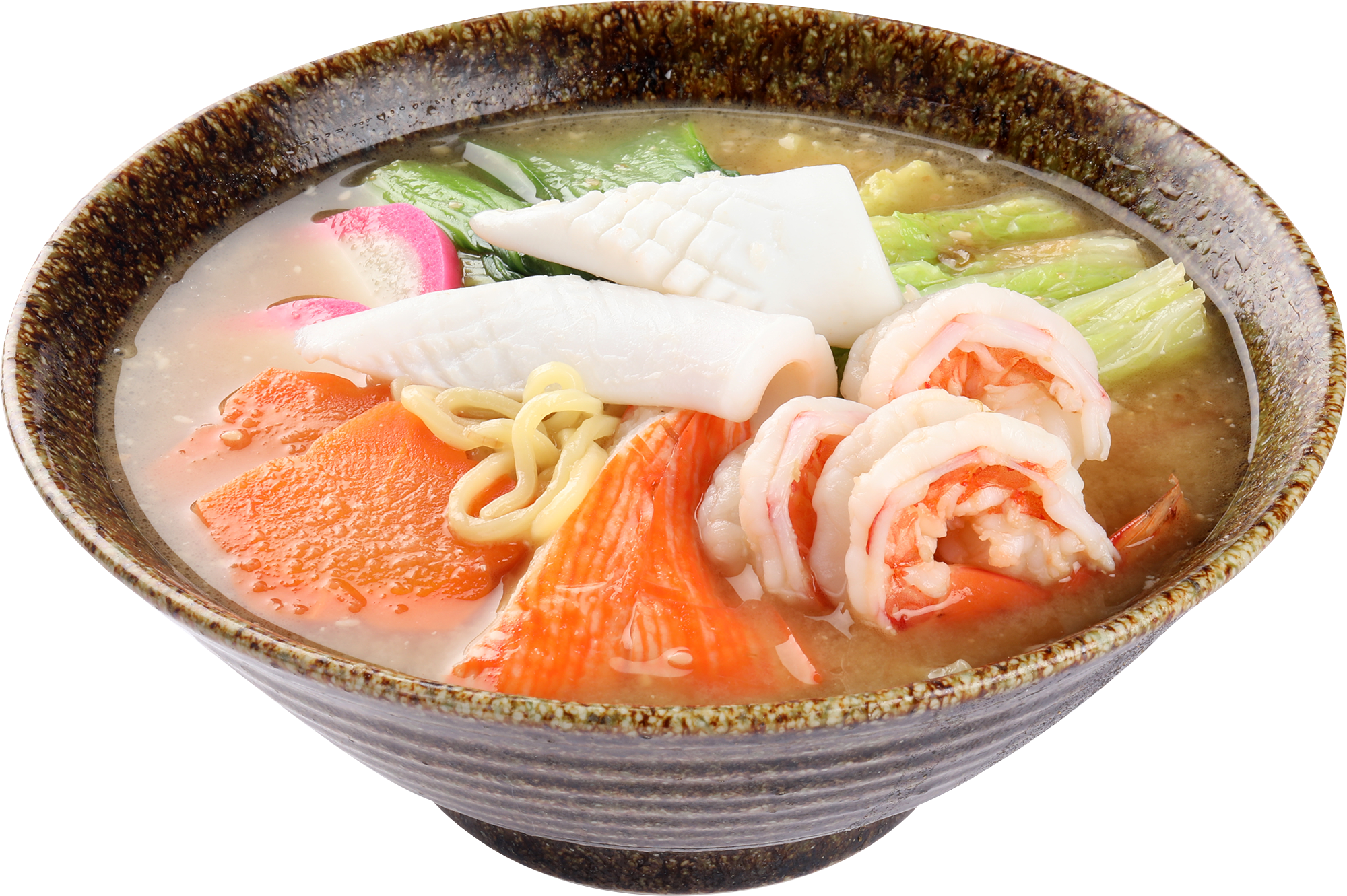
Ramen is completely different from Udon in the tiny and bright yellow noodles. Ramen noodles are often used with many different types of food such as sliced pork, dried seaweed, Japanese fish cake, eggs, corn, cabbage … depending on the taste of each person. The broth is mainly stewed from pork bones.
Mi Soba
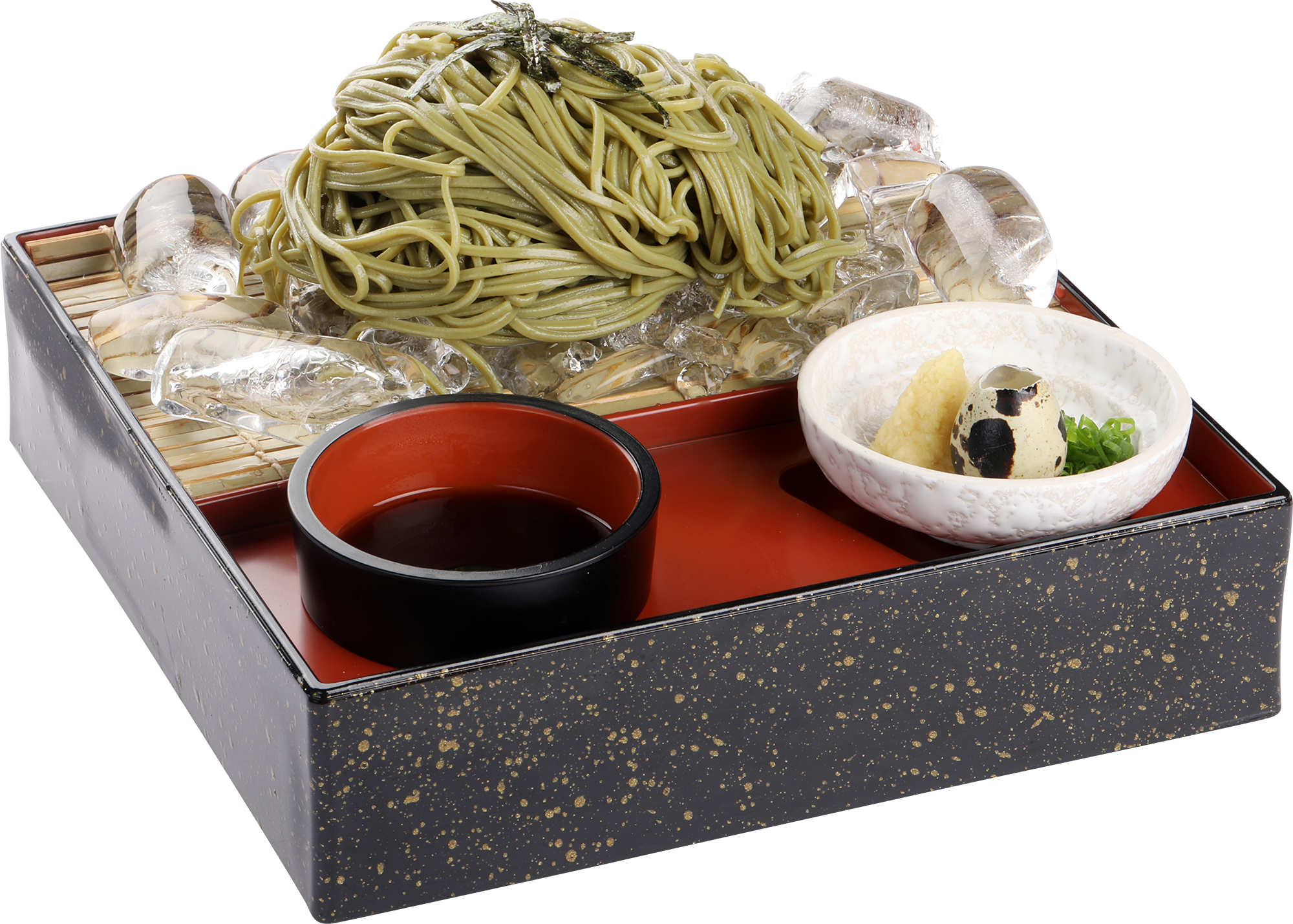
Soba noodles are long and tough, dark brown, made by mixing buckwheat flour and flour, molding and cutting into small strands. Like Udon noodles, Soba noodles can be eaten hot or cold. Cold Soba noodles are dotted with soy sauce, radish, seaweed, mustard and scallions. The Japanese eat Soba noodles in the traditional Tet holiday according to the solar calendar.
6. Tempura
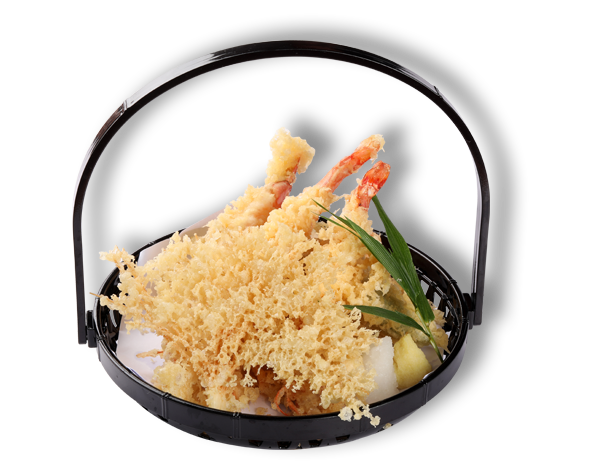
Tempura is a Japanese cuisine including seafood, vegetables, and flour flour in oil. Tempura can say this is a typical dish of the land of the rising sun. Although it was born after Sushi, Tempura brings a new aroma and taste so it is especially loved by Japanese people.
7. Tonkatsu
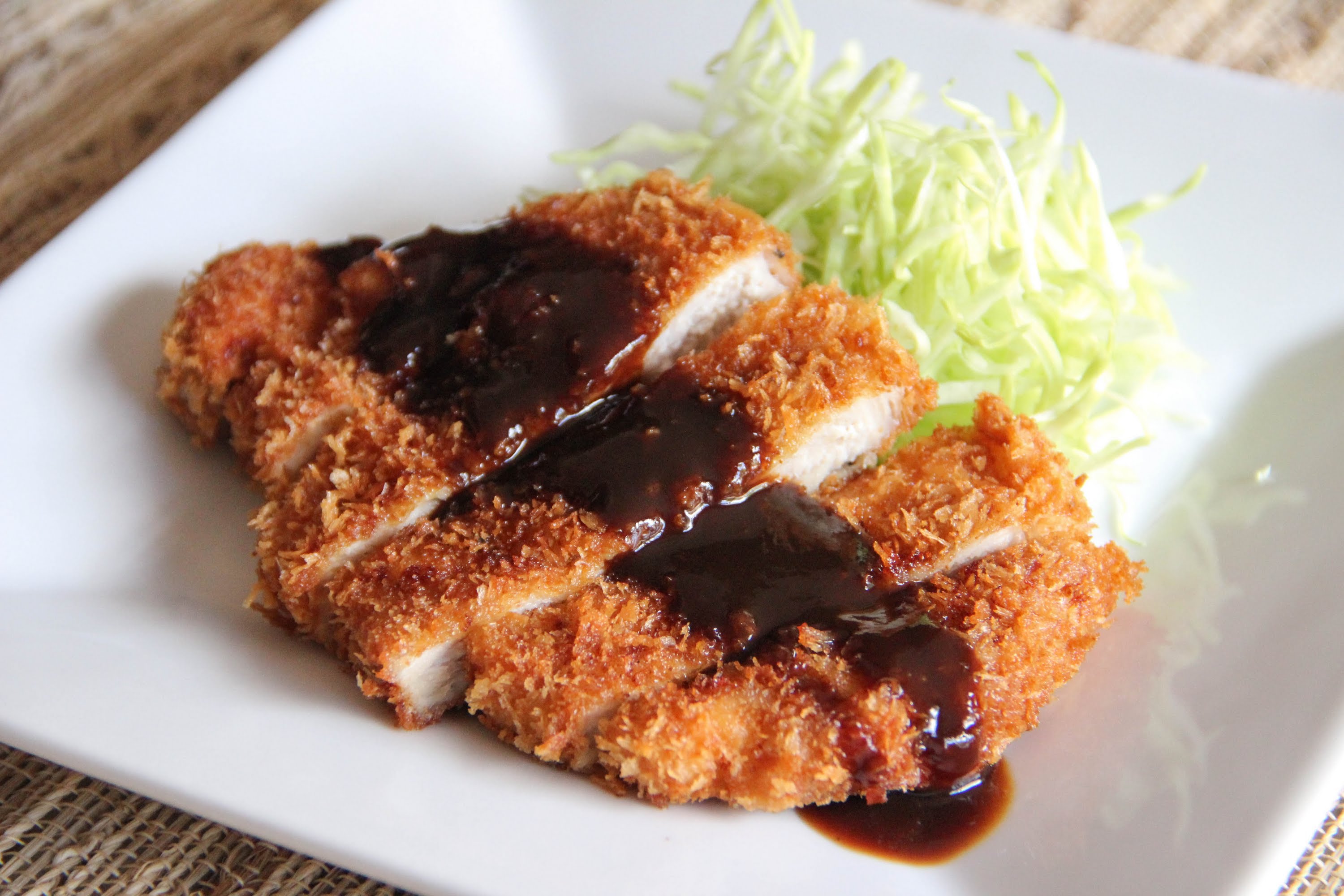
Tonkatsu made from pork was born in the late 19th century and was a popular dish in Japan. Ingredients include a pack of fried flour, pork tenderloin thick from one to two centimeters and sliced into pieces to taste, often served with cabbage and miso soup. We can also use the meat and back meat; The meat will be salted, pepper and sprinkled with a layer of flour, then we dip in the egg and brown fried before frying.
8. Kaiseki Ryori
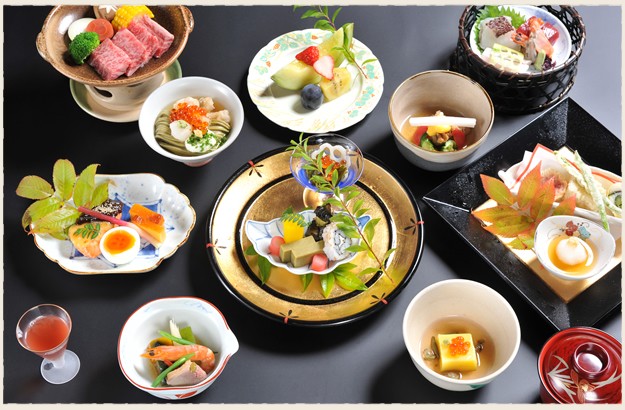
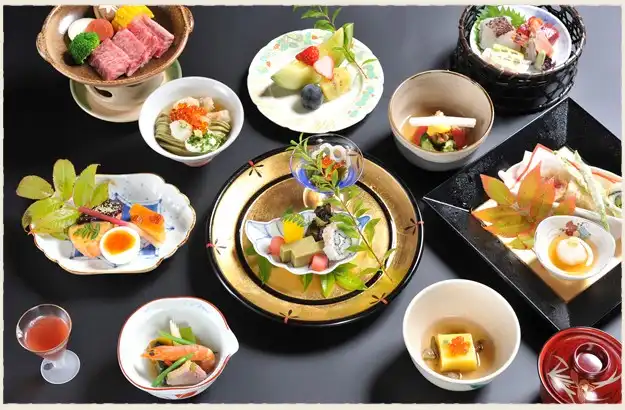
Kaiseki Ryori is the name of a traditional meal that is considered the most sophisticated and complex in Japanese culinary art. This is usually a party to treat guests and show the hospitality of the host. Kaiseki Ryori uses seasonal ingredients mainly including vegetables, fish with seaweed and mushrooms and has a unique delicate flavor.
9. Yakitori
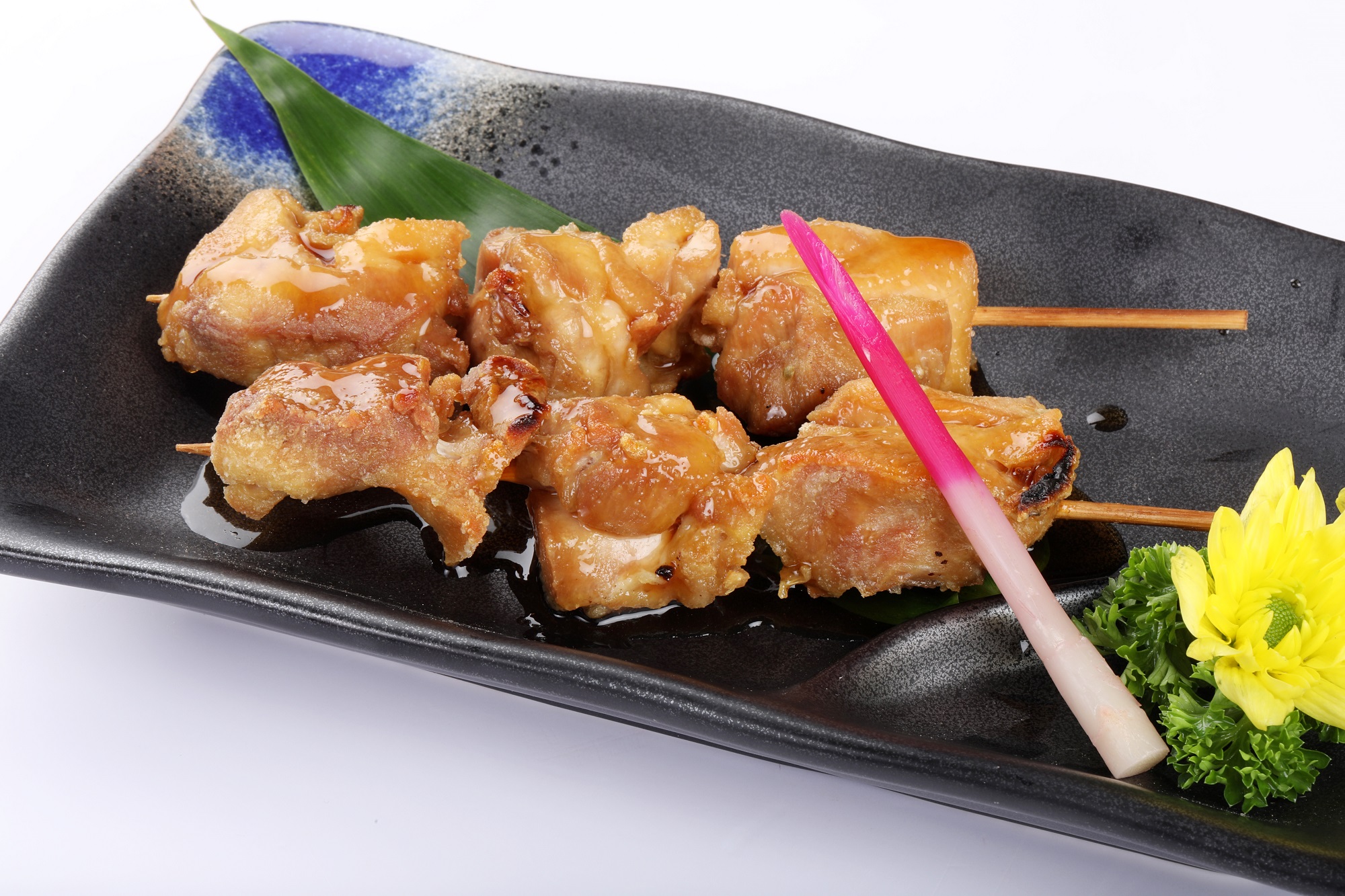
Yakitori is one of the delicious Japanese dishes that many tourists come to Japan to enjoy. To make this dish, people often use chicken to grill. Chicken is carefully marinated with salt and typical sauce called “Tare”. Tare is made from soy sauce, mirin, sake, and sugar with a recipe to create a balance between salinity and sweetness. In addition, you can add ginger to a strong aroma, a little more fat of sesame oil and the sweetness of honey, creating a very rich style, attracting visitors the first time to enjoy.
10. Sake
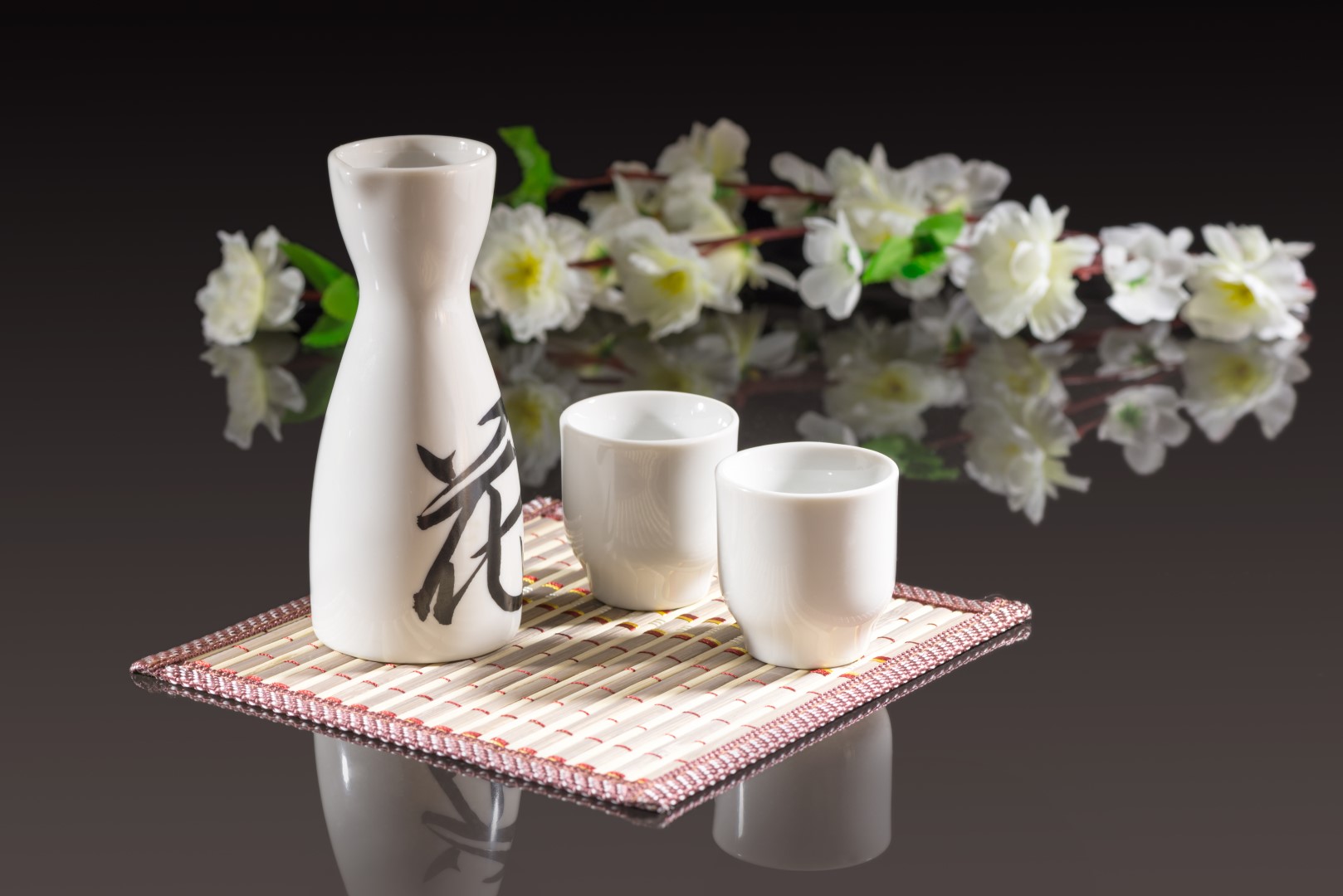
Japanese rice wine is often used with a range of dishes. Sake is made from rice and water and is considered alcoholic beverages from ancient times. Because alcohol can drink hot, “emotions” come faster and warm the body in the winter. When drinking chilled alcohol, there will also be a taste similar to high quality wine. Each region across the country has its own specific flavor depending on the quality of rice and water as well as the difference in the production of wine.